

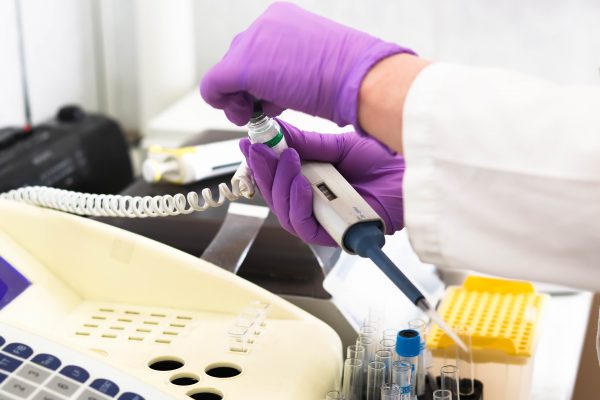
What is a Clinical Trial
A clinical research trial is a study that helps doctors learn how to better prevent, diagnose, or treat sarcoma.These trials test new medicines, new ways of delivering treatments, or new approaches to care to see how well theywork. Every treatment available today was once studied in a clinical trial, which is why these studies are so important for improving care and bringing new options to patients.
Why Clinical Trials Matter
Clinical research plays an essential role in helping doctors better understand sarcoma, discover new treatment options, and improve the care patients receive today. Because sarcoma is rare, every study adds valuable knowledge.
Many clinical trials are designed to test therapies that may one day be reviewed and approved by the Food and Drug Administration (FDA), which oversees the safety and effectiveness of new treatments.
Participating in a trial can offer access to promising therapies while also helping researchers learn more for future
patients. Many people find comfort in knowing they are contributing to progress that brings hope for better
outcomes over time.z
What to Know Before Joining a Trial
Choosing to join a clinical trial is a personal decision. Before you participate, you will go through a detailed
informed consent process that explains everything you need to know. This includes:
The purpose of the study and what researchers hope to learn
What the treatment or procedures involve
Possible benefits and possible risks
How often you will have appointments or tests
Your rights as a participant, including your ability to decline or stop participating at any time
You will have time to read the information, ask questions, and talk with your loved ones or your care team before
deciding what feels right for you.
What Participation May Look Like
If you choose to join a trial, your medical team will guide and support you throughout the process. Participation
may involve:
Medical exams, imaging, or lab tests to understand how the treatment is working
Receiving a new therapy or receiving standard care with additional monitoring
Regular follow up visits to check your health and gather information
Clear communication from your research team about each step
Our goal is to help you feel supported, prepared, and confident as you explore research opportunities.
How Rein in Sarcoma Supports Patients in Research
We understand that clinical trials can feel unfamiliar or uncertain. Rein in Sarcoma is here to help you explore
your options in a comfortable and informed way. We can:
Help you find clinical trials that may be appropriate for your diagnosis
Provide easy to understand information about how trials work
Support you as you consider your choices and prepare for appointments
Connect you with others who have participated in research
Our goal is to help you feel supported, prepared, and confident as you explore research opportunities.
Clinical Trials Resources
We understand that clinical trials can feel unfamiliar or uncertain. Rein in Sarcoma is here to help you explore
your options in a comfortable and informed way. We can:
NCI’s Physician Data Query (PDQ)
https://www.cancer.gov/publications/pdq
The National Cancer Institute (NCI) provides the Physician Data Query (PDQ), which is a comprehensive database of cancer information. It contains a database of both open and closed clinical trials.
ClinicalTrials.gov
A database of privately and publicly funded clinical studies conducted around the world. It provides information about a trial’s purpose, who may participate, locations, and phone numbers for more details. This information should be used in conjunction with advice from health care professionals.
SARC Clinical Trials
https://sarctrials.org/sarc-clinical-trials/
SARC (Sarcoma Alliance for Research through Collaboration) is a non-profit organization dedicated to the development and support of research for the prevention, treatment, and cure of sarcomas. They provide a list of SARC trials is provided here with a brief description and patient accrual status.
Other Resources
Major cancer centers often offer lists on their web sites of the clinical trials being conducted there. Private companies, such as pharmaceutical or biotechnology firms, may list the studies they are sponsoring on their Web sites. This can be helpful if you know the company developing a particular drug or treatment.
There also are several private firms, which match patients with studies they may be eligible for. These firms usually offer their services to patients free of charge and are paid a referral fee from the organization conducting the study.
American Cancer Society: Overview of Clinical Trial Matching Services whitepaper (2018)
https://www.fightcancer.org/policy-resources/overview-clinical-trial-matching-services
American Society of Clinical Oncology (ASCO)
https://www.cancer.net/research-and-advocacy/clinical-trials
Provides information and resources on clinical trials, including a description what a clinical trial is, why clinical trials are important, patient safety, common concerns, words to know, and questions to ask the health care team and clinical trial staff.